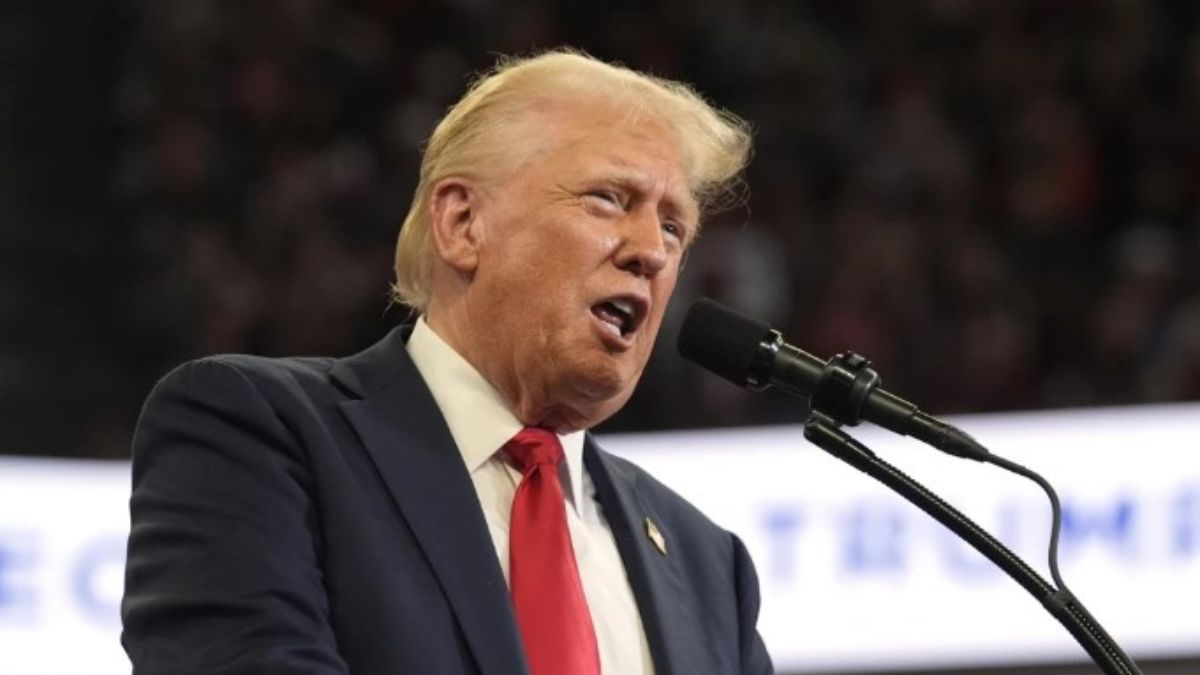
In the corridors of power in Washington, a high-stakes battle of logic and stubbornness is rewriting the global trade equation. Despite the Supreme Court drawing a firm line, President Trump is pushing back with a new import tariff strategy that has put the world on edge once again.
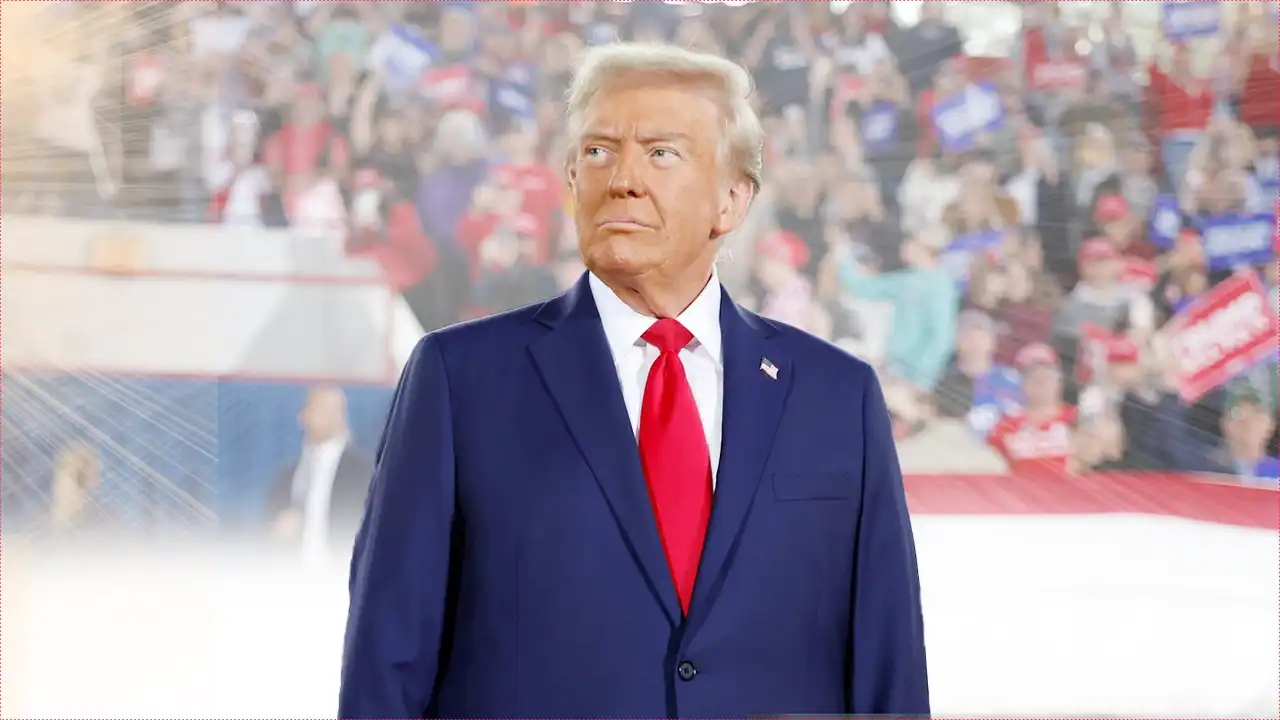
Within just 24 hours, the global tariff rate shifted from 10% to 15%. President refuses to back down against the nation’s highest court.
It all started this Friday. In a historic 6-3 ruling, the US Supreme Court struck down Trump’s tariff program. The court ruled that Trump had exceeded his executive authority by misusing the Emergency Economic Powers Act.
The response? Defiance. An outraged President Trump first announced a 10% global tariff. But by Saturday, in a post on Truth Social, he hiked it to 15%—the maximum legally allowed rate. He didn’t stop there. He labeled the court’s decision “laughably weak” and “anti-American,” stating he was ashamed that certain judges lacked the courage to do what is right for the country.
It all started this Friday. In a historic 6-3 ruling, the US Supreme Court struck down Trump’s tariff program. The court ruled that Trump had exceeded his executive authority by misusing the Emergency Economic Powers Act.
The response? Defiance. An outraged President Trump first announced a 10% global tariff. But by Saturday, in a post on Truth Social, he hiked it to 15%—the maximum legally allowed rate. He didn’t stop there. He labeled the court’s decision “laughably weak” and “anti-American,” stating he was ashamed that certain judges lacked the courage to do what is right for the country.
Trump is now pivoting to Section 122 of the Trade Act of 1974—a move never before taken by a US President. Under this law, the 15% tariff can stay for up to 150 days. To keep it longer, he needs Congress.
However, even with a Republican-controlled Congress, analysts are skeptical about a vote in favor of a permanent hike. Under this specific section, precious minerals, metals, and pharmaceuticals remain tax-free. Meanwhile, tariffs on steel, aluminum, and cars—imposed under separate laws—remain untouched by the Supreme Court’s ruling.
The global landscape is now divided. Nations with existing trade deals, like Malaysia and Cambodia, will stick to their previously agreed higher rates. Indonesia also remains under the 19% tariff agreement signed this Friday.
But there’s a surprising twist for countries like Brazil. Since they haven’t signed a specific deal yet, they will benefit from the new global cap—watching their tariffs drop from 40 % down to 15%.
Domestically, the pressure is mounting. Organizations like the US Chamber of Commerce and the National Retail Federation are demanding the return of at least 130 billion dollars collected under the now-defunct EEPA program. Trump’s stance? No refund without a legal fight.
But the President’s ground is shaky. A recent Reuters/Ipsos poll shows his economic approval has plummeted to just 34%. With the midterm elections approaching, Democrats need only three seats to reclaim the House. They are already weaponizing the rising cost of living caused by these tariffs as their primary campaign tool.
Read more: Trump’s Global MAGA Ambition
As Washington navigates this legal and economic maze, the question remains: will this gamble pay off at the ballot box, or is the price of defiance too high? Stay with News TV for the latest real-time updates on this developing story.