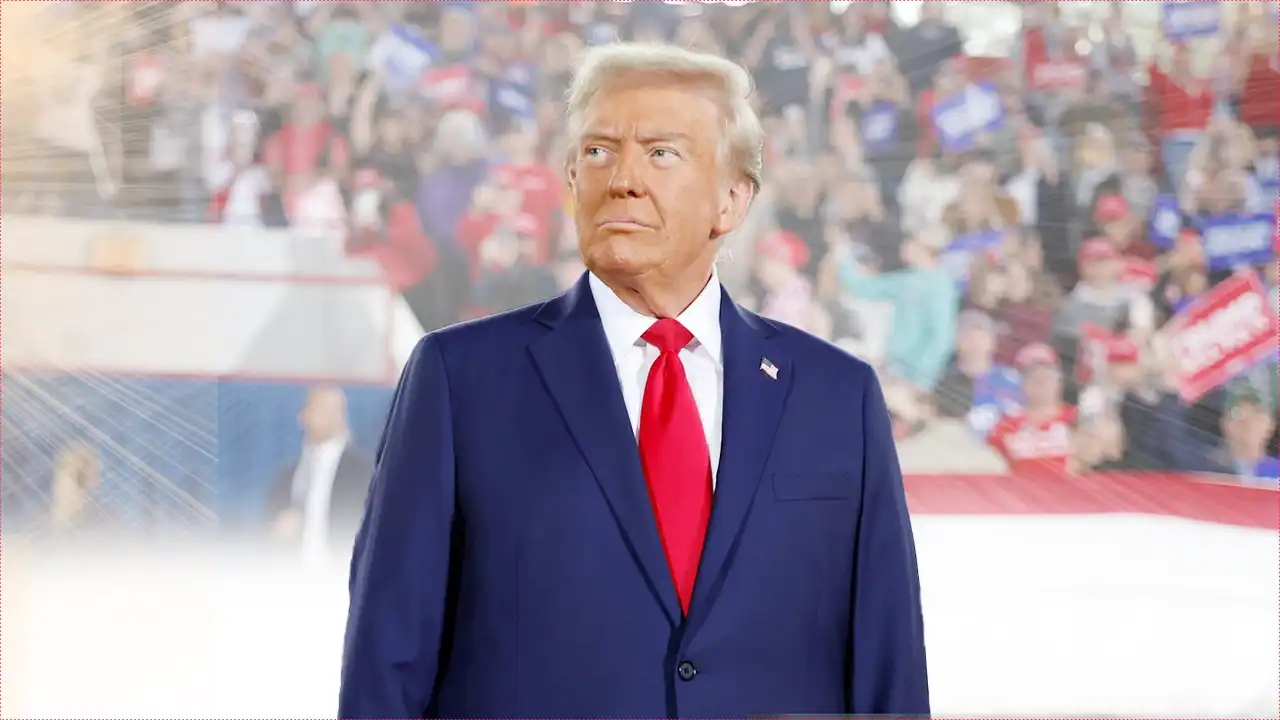
Is the Middle East on the brink of another massive conflict? As indirect nuclear talks stall, U.S. President Donald Trump has dropped a bombshell, hinting that a “change in power” in Iran might be the best path forward.
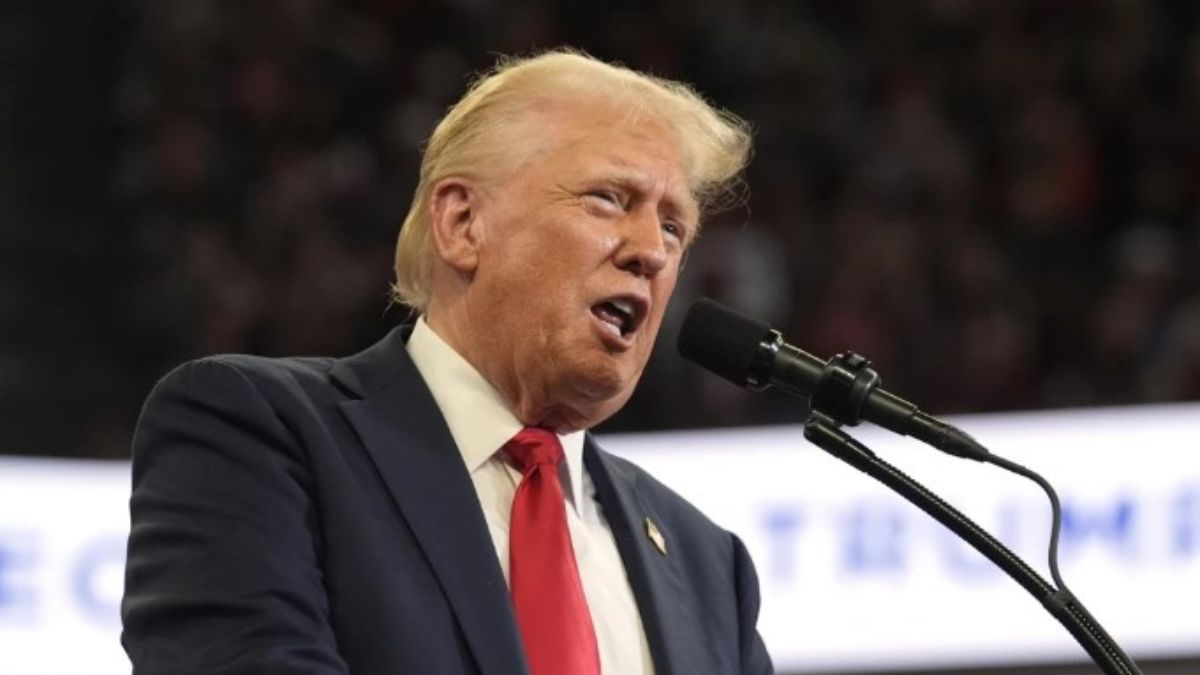
Speaking to soldiers and reporters at Fort Bragg, President Trump didn’t hold back. Despite ongoing diplomatic efforts regarding the nuclear deal, he suggested that a leadership transition in Tehran could yield the best results.
“For 47 years, all they’ve done is talk,” Trump stated, reflecting on decades of friction. He emphasized that the world has lost too many lives during this period. His message clear: while the door to negotiation isn’t fully shut, the U.S. is losing patience with Tehran’s nuclear ambitions and regional influence.
Diplomacy is now being backed by immense military might. Washington is shifting from purely diplomatic tactics to “maximum military pressure.”
The world’s largest aircraft carrier, the USS Gerald R. Ford is being redirected from the Caribbean to the Middle East. It will join the USS Abraham Lincoln, already stationed in the region.
What does this mean? With over 5,000 additional troops and two massive carrier strike groups, the U.S. is effectively doubling its strike capability in the air and sea. Trump warns that if a deal isn’t reached, the U.S. is fully prepared for military action.
Meanwhile, Iran continues to claim its nuclear program is peaceful. However, their enrichment of uranium up to 60% has the world on edge, putting Supreme Leader Ayatollah Ali Khamenei’s regime under intense scrutiny and uncertainty.
But a power shift in Iran isn’t a simple task. U.S. Secretary of State Marco Rubio cautioned that Iran is not Venezuela—the complexities are far greater. Gulf nations are also raising red flags, warning that any direct strike on Iran could ignite a massive, uncontrollable regional war.
As the U.S. ramps up its military presence, the world watches with bated breath. Will it be a breakthrough at the table, or a clash in the clouds?