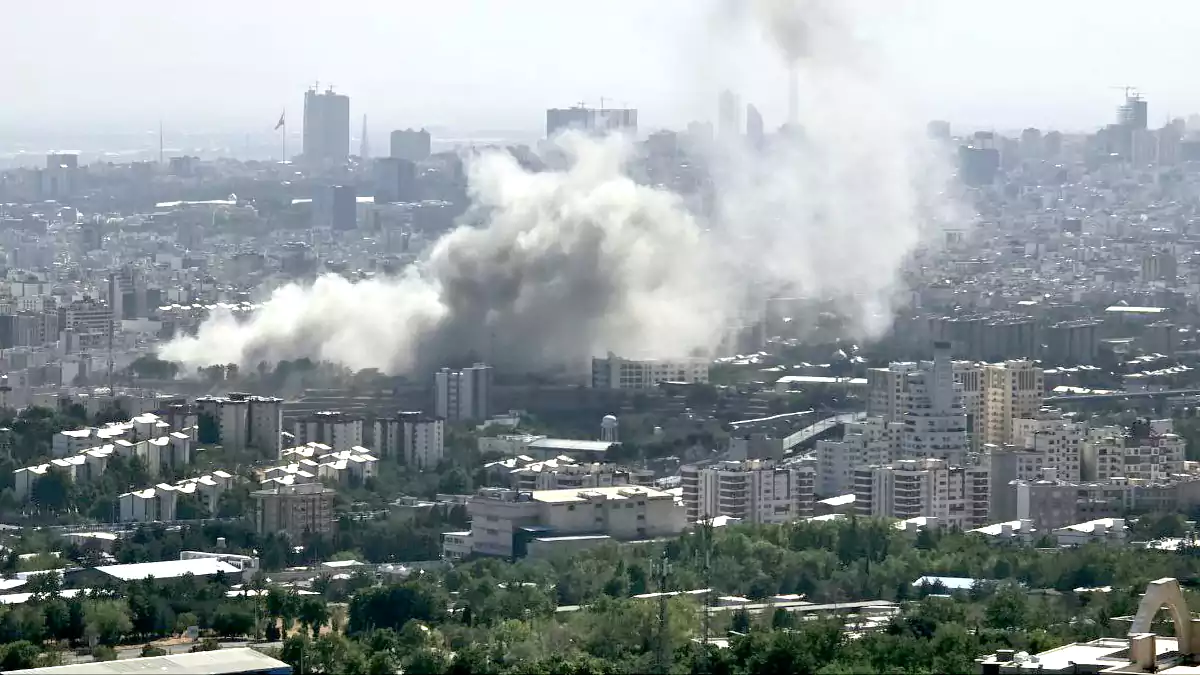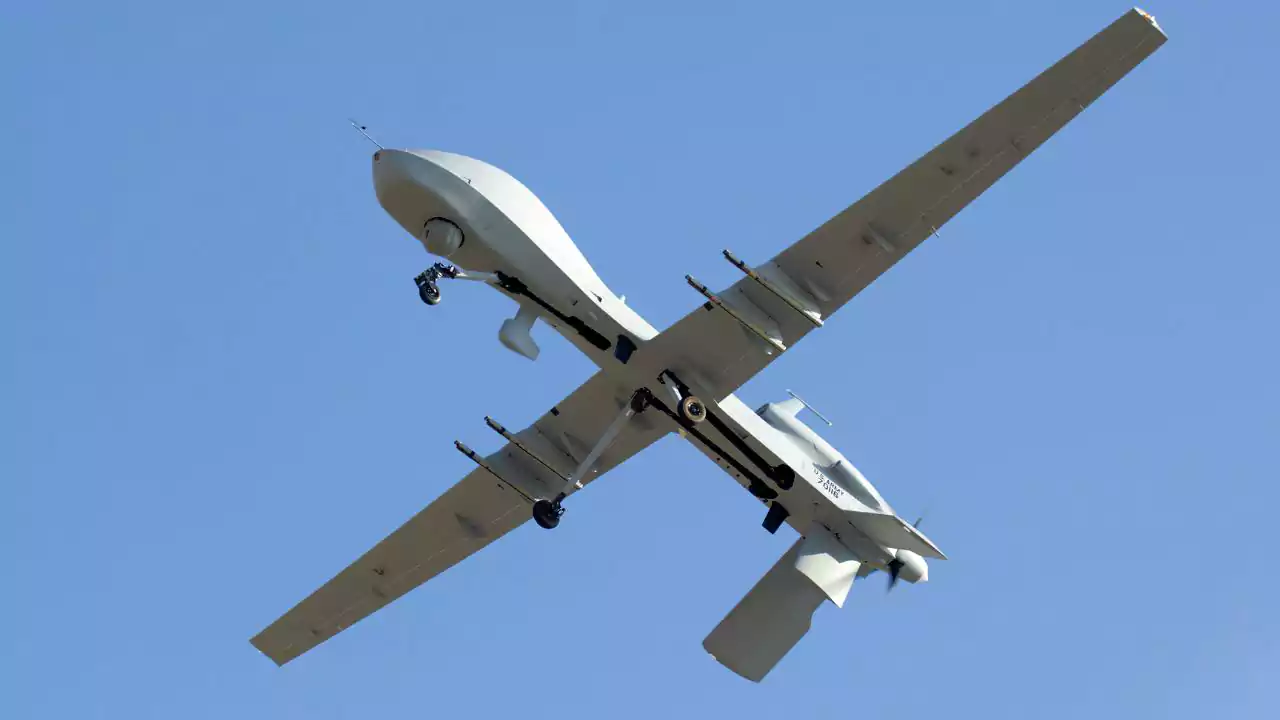
No mercy for those who betray, even if they share the same faith. The message from Tehran is bone-chilling: any land used as a launchpad for aggression against the nation of Ayatollah Khamenei will be reduced to ashes.
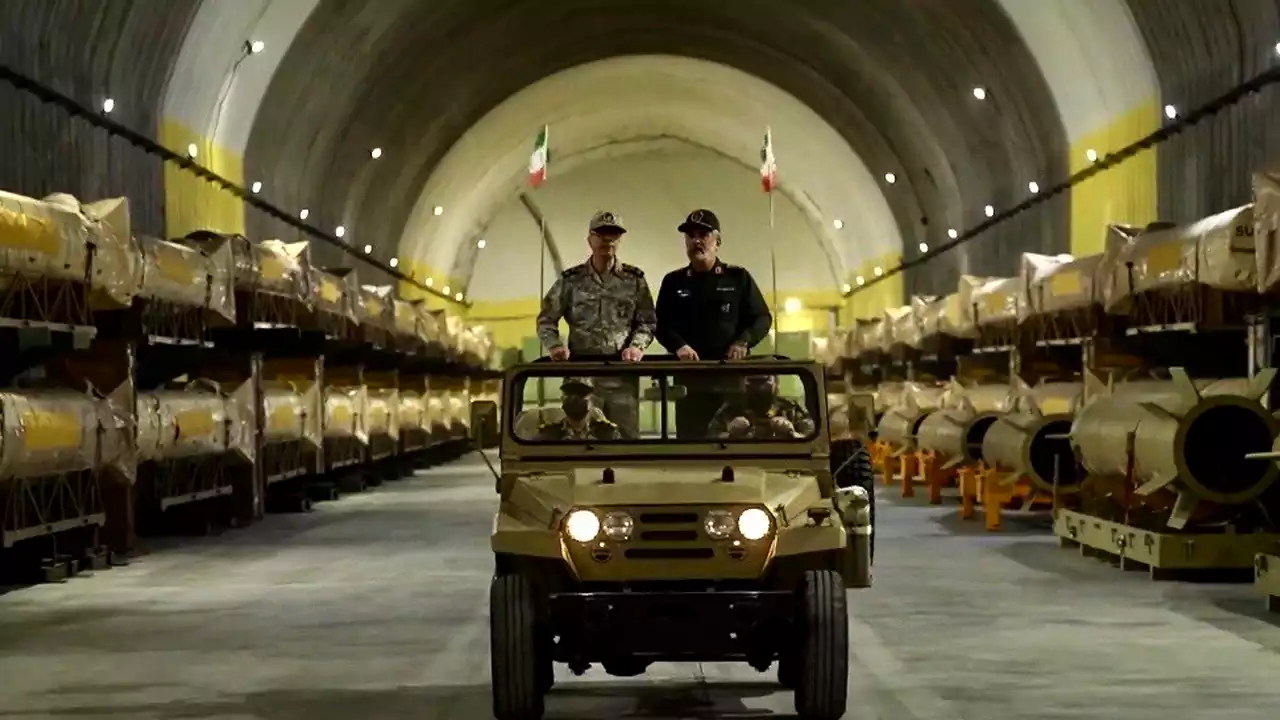
Iran has officially placed Jordan and United Arab Emirates directly in its crosshairs. The shadows of a potential U.S.-led strike are looming, and the lines of loyalty have been drawn.
It is no longer a secret. Reports from Middle East Eye and regional intelligence suggest that Jordan and UAE have openly chosen the path of Washington. Intelligence sharing, logistical support, and air defense corridors—everything is being handed over to facilitate a potential American aggression against Iran.
Despite being Islamic nations, Tehran views this as a stab in the back. The warning from the Islamic Revolutionary Guard Corps (IRGC) is thunderous: “The price of betrayal will be devastating.”
Let’s look at the targets. South of Abu Dhabi lies the Al Dhafra Air Base—a crown jewel of U.S. airpower in the Middle East. This base houses elite U.S. fighter jets, advanced reconnaissance platforms, and high-tech surveillance systems. For years, it has been the nerve center for regional intelligence and missions.
To Iran, Al Dhafra isn’t just a base; it’s a pillar of American military dominance in the Persian Gulf. And today, it sits well within the range of Iran’s precision ballistic missiles.
Then there is Dubai’s Jebel Ali Port. While not a formal “military base,” it is the largest logistical hub for the U.S. Navy outside the United States. Aircraft carriers and supply ships rely on this port for fuel, repairs, and logistics. Tehran views Jebel Ali as the “jugular vein” of U.S. naval operations. If this vein cut, American war machine in the Gulf faces a total blackout.
Meanwhile, in Jordan, the Muwaffaq Salti Air Base in Azraq remains a critical threat. Home to the U.S. 332nd Air Expeditionary Wing, it’s the primary launchpad for operations over Syria and Iraq. Geographically, it is a sitting duck for Iran’s long-range arsenal.
Analysts warn that these locations are not just dots on a map—they are the “nerve centers” of a potential war. The IRGC commanders have been explicit: any response to U.S. aggression will start with direct strikes on these bases.
If Jordan and UAE continue to pour fuel on the fire, their territories will become the battlefield. Tehran’s message is clear: if you host the predator, you will share the predator’s fate.
Read more: NATO Soldiers Under Fire – The Trump Controversy
The Middle East stands on a knife’s edge. Will these nations reconsider their stance, or will they face the wrath of Iranian missiles? One thing is certain—the era of “silent support” is over.