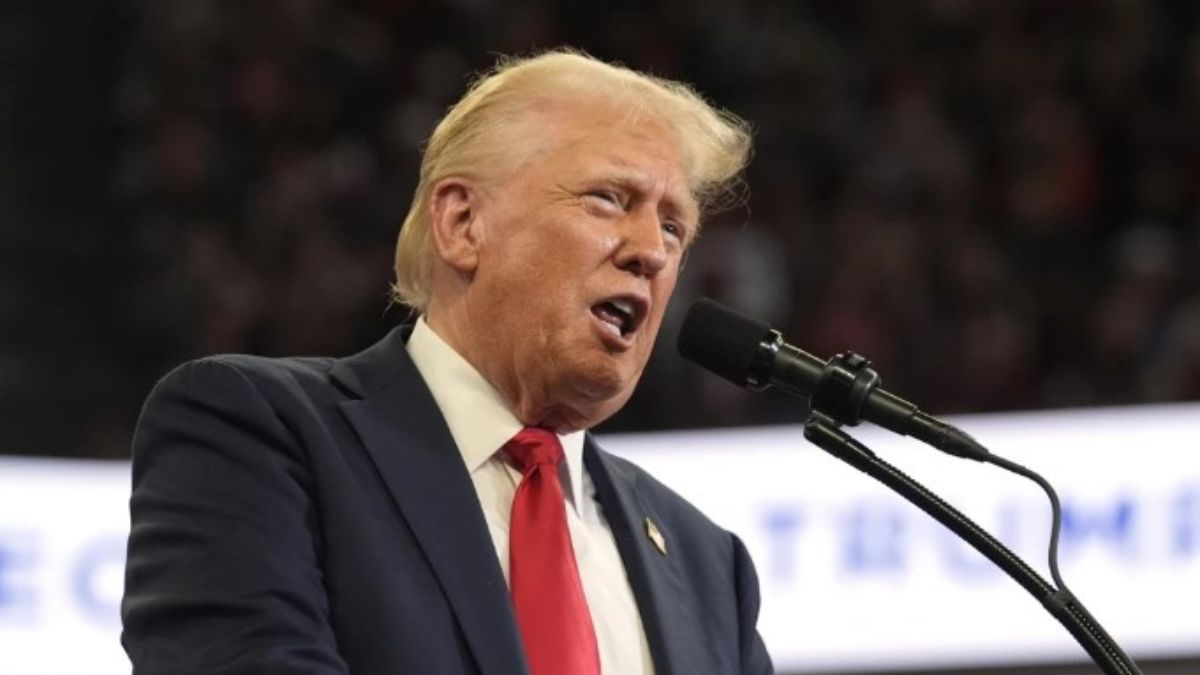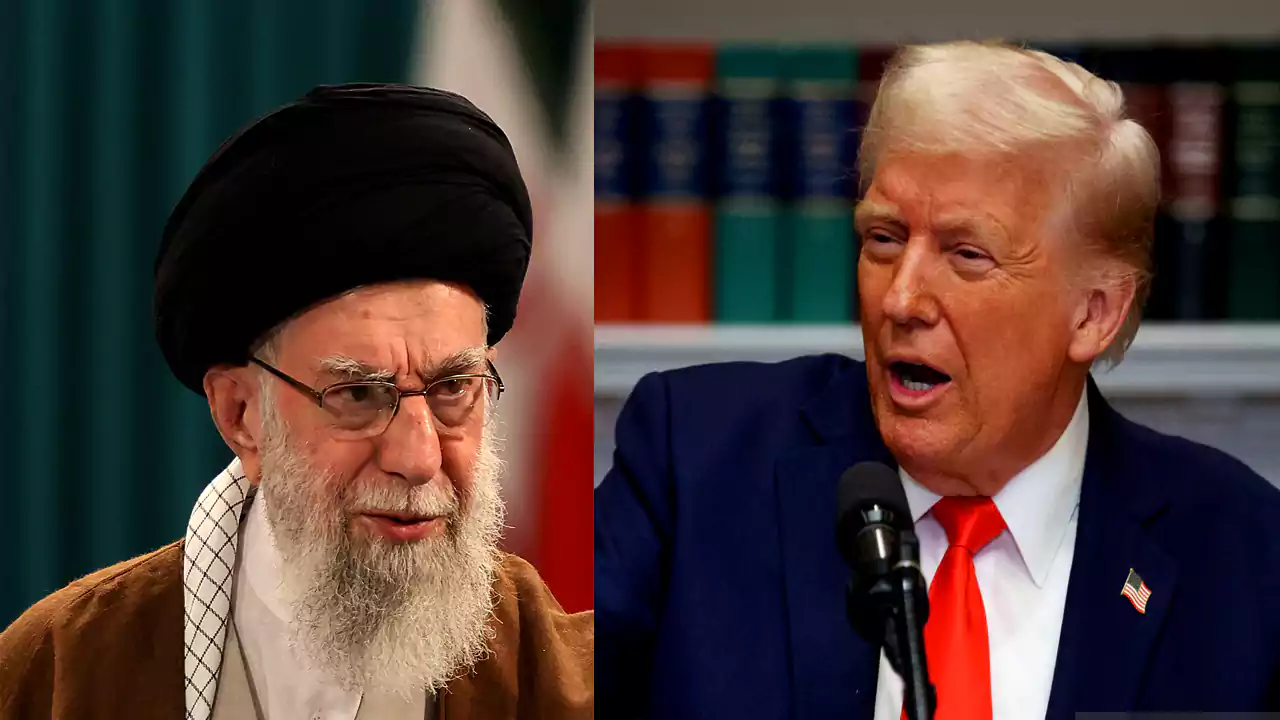
Controversy continues to swirl around the “Board of Peace,” a cornerstone of President Donald Trump’s 20-point plan for peace in Gaza. While the panel aims to stabilize the region, the inclusion of highly debated global figures has sparked a firestorm of international criticism. From Tony Blair to Benjamin Netanyahu, and now—Vladimir Putin.
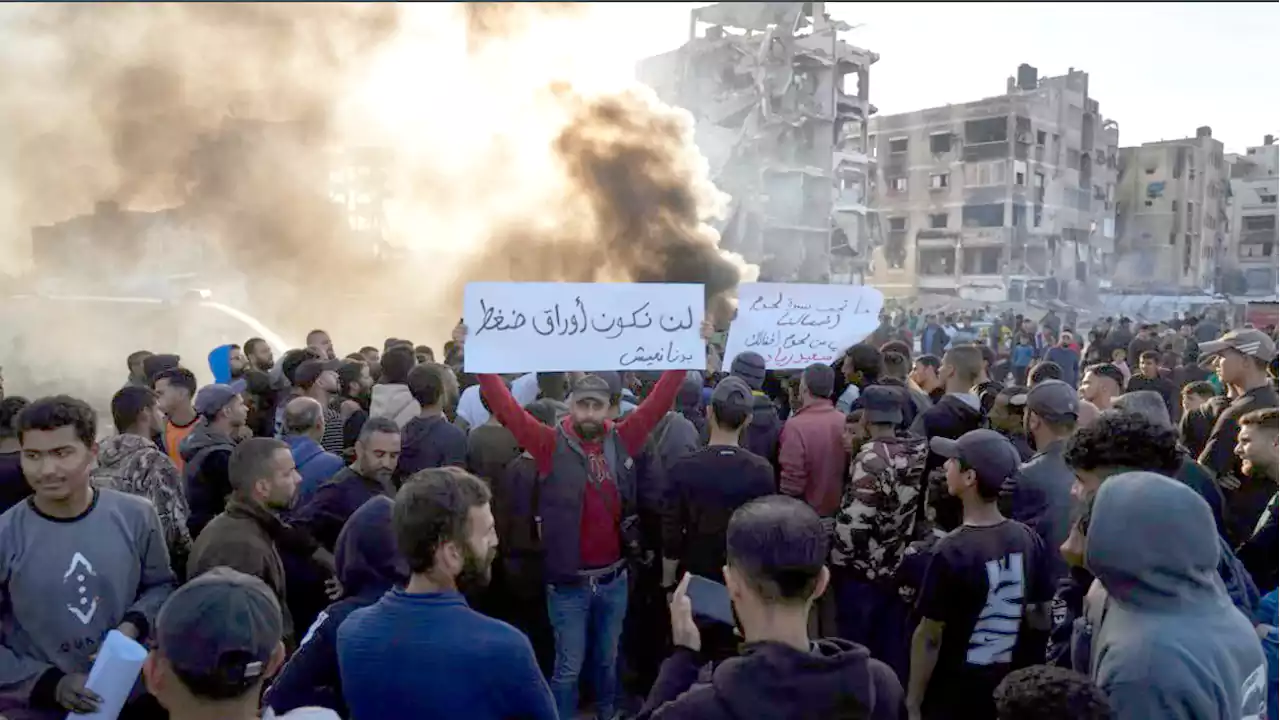
In a significant move, nine Muslim nations have officially confirmed their inclusion in the Board of Peace. Following invitations from President Trump, countries including Turkey, Qatar, Saudi Arabia, Egypt, Jordan, the UAE, Indonesia, Pakistan, and Kuwait have joined the panel.
However, the board’s composition was under fire from the start. The appointment of former British PM Tony Blair as an executive member—often labeled the villain of the Iraq War—raised eyebrows. The tension escalated further when Israeli PM Benjamin Netanyahu, the man behind the Gaza offensive, was also added to the board.
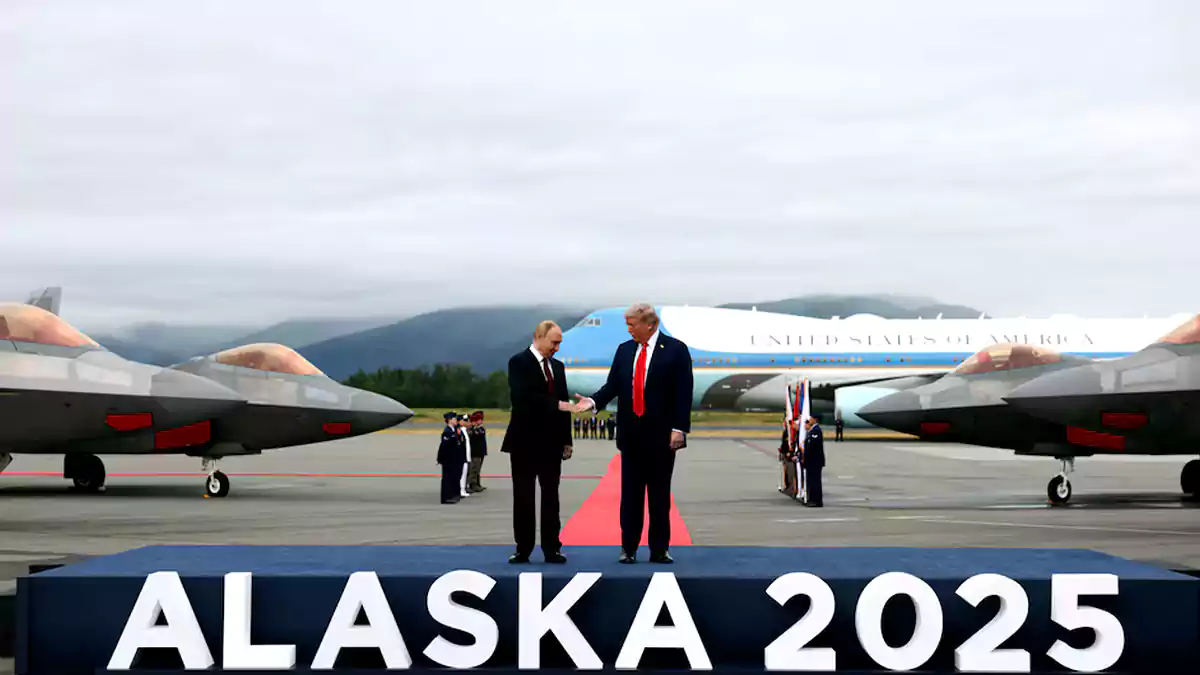
Now, a new name has entered the fray: Russian President Vladimir Putin. While Moscow was initially silent, Donald Trump confirmed to journalists that Putin would be a member. Defending his decision to include controversial figures, Trump stated that their “special influence” is necessary for results.
In a bold jab at international institutions, Trump suggested that this board would handle tasks that the United Nations should have done, effectively mocking the UN’s efficiency.
This shift has alarmed analysts who fear the board will undermine the UN’s authority. UN Secretary-General António Guterres took to X (formerly Twitter) to warn that ignoring international law in favor of “special rules” is a dangerous precedent that weakens the global order.
UN spokesperson Farhan Haq took a more cautious tone, noting that while regional alliances have co-existed with the UN for 80 years, the world must wait to see exactly how this board operates.
President Putin has finally broken his silence. While confirming the personal invitation from Trump, he linked Russia’s participation to a massive financial offer. Putin stated that Russia is ready to contribute $1 billion toward the reconstruction of Gaza—but there is a catch.
He proposes that this money come from Russian assets currently frozen by the United States. Putin suggested that these funds, blocked by the previous U.S. administration, should be released for Gaza, while the remainder should be used to rebuild regions affected by the conflict in Ukraine.
Approved by the UN Security Council last November, the Board of Peace is now a reality, but its path is far from smooth. Will this mix of rival leaders bring peace, or is the global order at risk?