A major shift is unfolding in global geopolitics. Last Monday, President Donald Trump made a startling announcement: India is moving away from Russian energy as part of a new trade deal.
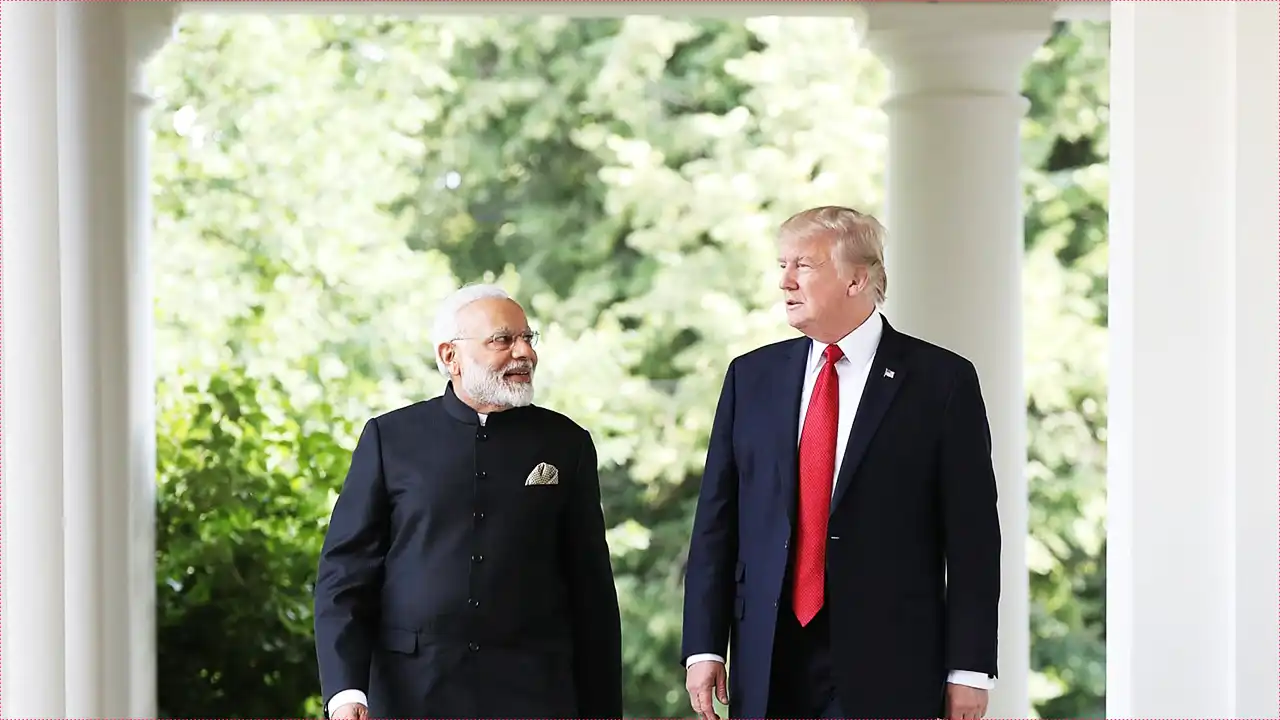
Trump claims Prime Minister Narendra Modi has promised to stop buying Russian oil, pivoting instead to the U.S. and Venezuela. In return, Trump has slashed trade tariffs on Indian goods from 50% to a mere 18%. But is this as simple as it sounds? Or is India walking into an economic minefield?
Since the Ukraine conflict began, India became the second-largest buyer of Russian oil, following China. At its peak, Russia supplied nearly 30% of India’s total oil needs. Why? Because it was cheap.
However, this came at a price. Last year, Trump doubled tariffs on Indian products to 50% as a “penalty” for financing Putin’s war. Now, with the new trade deal, the stakes have changed. But while Trump celebrates, New Delhi and Moscow remain silent. Kremlin spokesperson Dmitry Peskov says they’ve received no such signal from India.
Trump’s alternative is Venezuela. Following the recent U.S. special forces operation that removed President Nicolás Maduro, the U.S. now effectively controls Venezuela’s massive oil reserves—the largest in the world.
But here is the reality check: Venezuela is twice as far from India as Russia, and five times further than the Middle East. Transport costs will skyrocket. Furthermore, Russian Urals oil comes with a $10–$20 discount per barrel. Venezuelan oil? Only $5–$8.
Experts warn that switching could cost India an additional $9 billion to $11 billion annually—a sum equal to India’s entire central health budget.
It’s not just about money; it’s about chemistry. Venezuelan crude is heavy, thick like molasses, and high in sulfur. Most of India’s older, smaller refineries simply cannot process it.
Moreover, some of India’s largest refineries, like Nayara Energy, are nearly 50% Russian-owned. For these plants, abandoning Russian oil isn’t just difficult—it’s nearly impossible without a total operational collapse.
India’s Petroleum Minister, Hardeep Singh Puri, has been blunt: “The world cannot afford to keep Russia out of the oil market.”
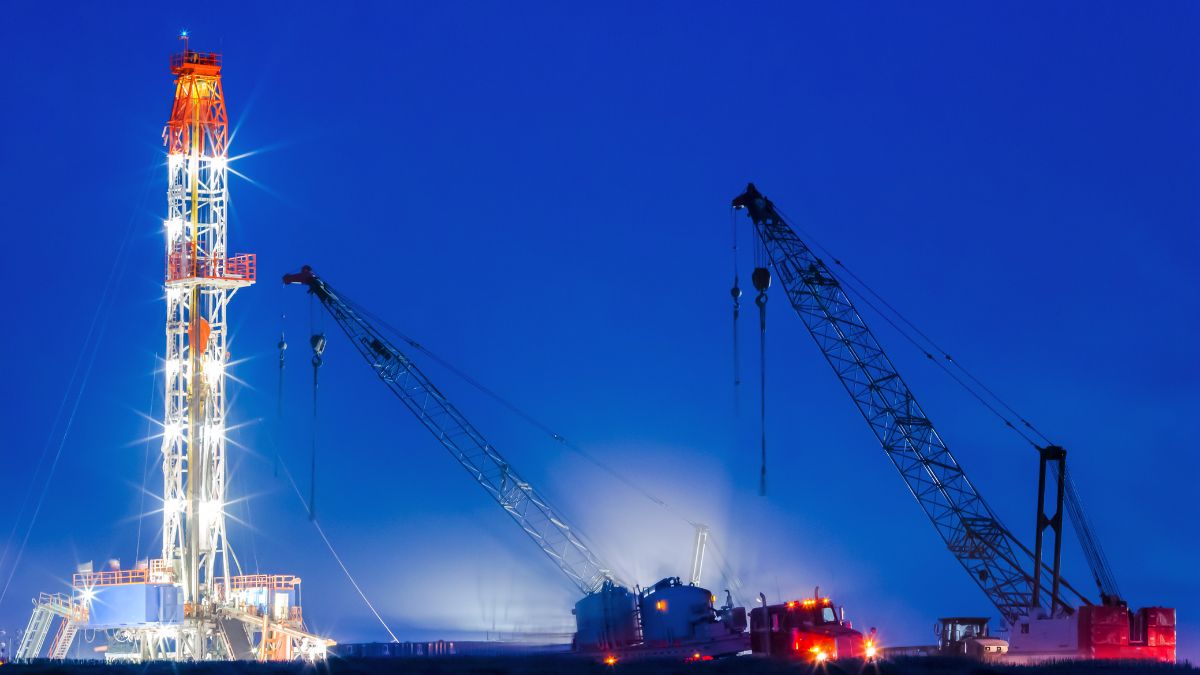
If India stops buying, global prices will surge, triggering massive inflation. While state-run companies like HPCL and MRPL have already paused new Russian orders under U.S. pressure, the economic ripple effect could eventually hit the pockets of ordinary Indian consumers.
Read more: The February 13 Deadline: Will the DHS Shut Down Over New Restrictions?
India is currently diversifying, looking at 40 different countries for energy. While U.S. oil imports have nearly doubled, the shadow of Russia remains long. Can India truly balance Trump’s demands with its own economic survival? Only time will tell.